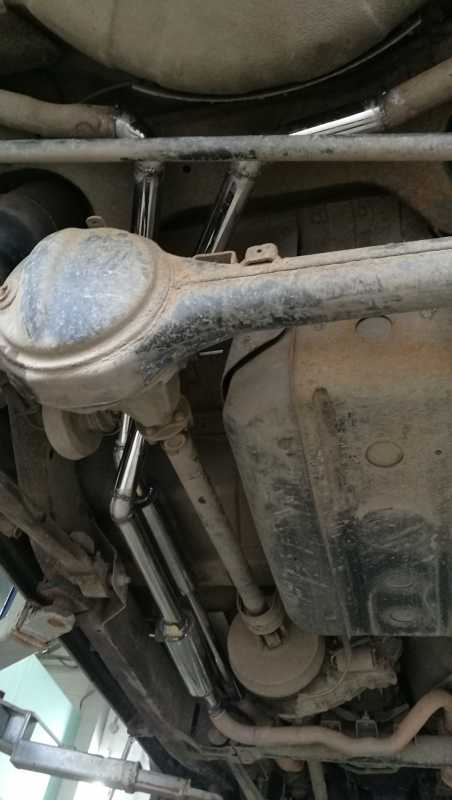
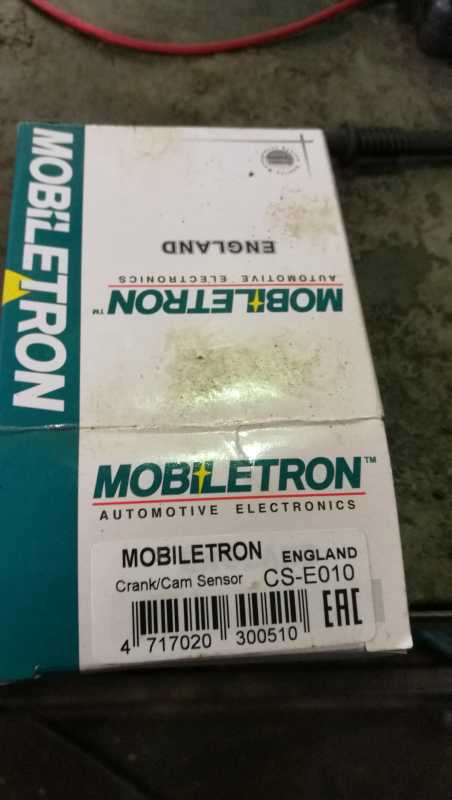
Возвращаясь к кодам в памяти - причиной этому не датчик положения коленвала.
Они у меня появились вновь:
P1191 - обрыв цепи подогрева датчика кислорода после катализатора
P1703 - обрыв цепи связи с раздаточной коробкой
P1317 - обрыв цепи сигнала плохой дороги
Всё бы ничего, только версия у меня не калифорнийская - не то, что датчиков, катализаторов отродясь не было. В добавок, провод сигнала плохой дороги (Rough Road) тоже отсутствует как класс.
Вот что удалось нарыть в интернете:
Engine Control Module: Customer Interest
ECM/ABS ECU - DTC's P1317/P1703 Set12/31/9619/11/96/USSUBJECT:
PRIDE - GEMs Codes P1317 & P1703MODEL:
Range Rover 4.0/4.6AFFECTED VEHICLES:
LPup to TA327537LH
LJ LDDETAILIf one of the above DTC's appears alone, the technician should inspect the wiring and connectors in the affected circuit. A P1317 code will require a check of the circuit between the GEMS ECM and the ABS ECU. A P1703 code will require a check between the GEMS ECM and the transfer box ECU.
**If the faults occur together it is likely that the operator of the vehicle cycled the ignition key (power up/power down) in a way that is known to cause a communications "glitch" between the GEMS ECM and the ABS/T box ECU. If this occurred, DTC's P1317 and P1703 would be stored in GEMS and the MIL would illuminate.The diagnostic steps and repair procedures detailed in this bulletin were developed as an element of the Land Rover Way OPERATION PRIDE.
**
This TIB provides a library location for PRIDE information within the Land Rover North America technical literature system.ACTION REQUIREDIf during TestBook diagnosis codes P1317 and P1703 are retrieved obtain Prom set PRM9622 and update the ECM Proms as described below. A software modification prevents the problem from occurring.
Иными словами, некое последовательное включение/выключение зажигания может вызвать такой глюк коммуникации между GEMS, ABS и TCU, который приведёт к записи в ЭБУ мотора соответствующих кодов.
Буду наблюдать дальше